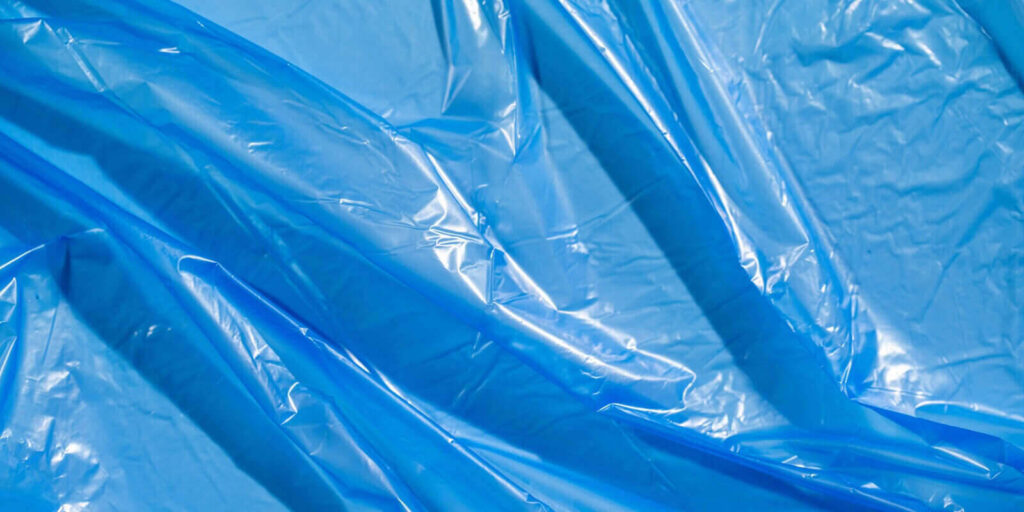
Plastic film is one of the most common materials in your household. Bread bags, grocery bags, produce bags, bubble wrap, shipping air pillows, cereal bags, and stretch wrap all fall into the category. They also share something else: most municipal curbside programs don’t accept them.
That’s not because film can’t be recycled. It’s because standard curbside sorting equipment wasn’t built to handle it. Flexible film needs a separate recycling path, and a network of alternative collection systems (ACS) already covers most of the country.
| In This Article: Flexible plastic film needs a separate recycling stream because curbside sorting equipment wasn’t built to handle it. Alternative collection systems, including retail store drop-off, municipal drop-off sites, mail-in programs, and subscription services, route flexible film to recyclers with equipment made for the material. |

Why Flexible Plastic Film Uses a Separate System
Flexible plastic film covers a wide range of household items beyond grocery bags, including bread bags, produce bags, bubble wrap, shipping air pillows, cereal bags, and stretch wrap. Most of them qualify for recycling through ACS programs, depending on the material and local acceptance guidelines.
Curbside recycling programs have traditionally been built for certain material types. Some material recovery facilities (MRFs) are geared for rigid containers. Others focus on fiber materials. As packaging variety grows, MRFs are adapting, but flexible film still behaves differently than most items in the curbside stream. Thin plastic wraps around rotating equipment and disrupts sorting lines, which can cause downtime and additional maintenance at MRFs.
Alternative collection systems provide a separate collection path that keeps qualifying film from entering the curbside stream in the first place. That separation routes flexible film into a recycling stream designed to handle the material.
How Alternative Collection Systems Work
Store drop-off recycling provides an alternative to placing flexible film in the mixed curbside stream. Participating retailers collect accepted plastic film in dedicated bins, grouping similar materials together before they’re transported to recyclers.
The Plastic Film Recycling Directory, run by the Flexible Film Recycling Alliance (FFRA), an initiative of the Plastics Industry Association (PLASTICS), helps consumers locate participating retail locations, municipal drop-off sites, mail-in programs, and subscription recycling options across the United States. The directory focuses on flexible film because curbside programs generally don’t accept this material.
Separate flexible film recycling creates several advantages:
- Reduces contamination caused by mixing film with paper and containers
- Keeps lightweight material out of equipment that isn’t set up to handle it
- Groups similar polyethylene films together for recycling
- Supports a cleaner incoming material stream for recyclers
According to the Association of Plastic Recyclers, consumer drop-off programs account for about 20% by weight of post-consumer flexible film recovered for recycling, showing that dedicated drop-off programs contribute meaningful volumes of recyclable material.
What Qualifies for Flexible Film Recycling
Many people think flexible film recycling applies only to grocery bags, but the category is much broader when items meet program guidelines.
Common examples include:
- Grocery bags
- Produce bags
- Bread bags
- Dry cleaner bags
- Newspaper sleeves
- Plastic case wrap
- Bubble wrap
- Shipping air pillows
- Certain plastic shipping mailers
- Cereal bags
Cereal bags deserve special attention when sorting. Many recycling tips mention a stretch test for identifying recyclable film, but cereal bags are an exception: they often don’t stretch and still qualify for recycling. Always check the accepted materials guidance.
A Little Preparation Improves Recycling Results
Plastic film should be clean and dry before recycling because better material quality helps the recycling process work as intended. The Plastic Film Recycling Directory recommends a simple routine before taking film to a participating drop-off location.
Wipe
Wipe away leftover food and moisture before recycling so plastic film stays cleaner in the collection stream.
Gather
Keep accepted plastic film together in one bag until you’re ready for your next trip to the nearest store or other drop-off location.
Verify
Confirm that the material qualifies by consulting the accepted items list or finding the How2Recycle Store Drop-Off label. SmartLabel QR codes can also provide additional product-specific recycling information when available.
What Happens After Flexible Film Is Recycled
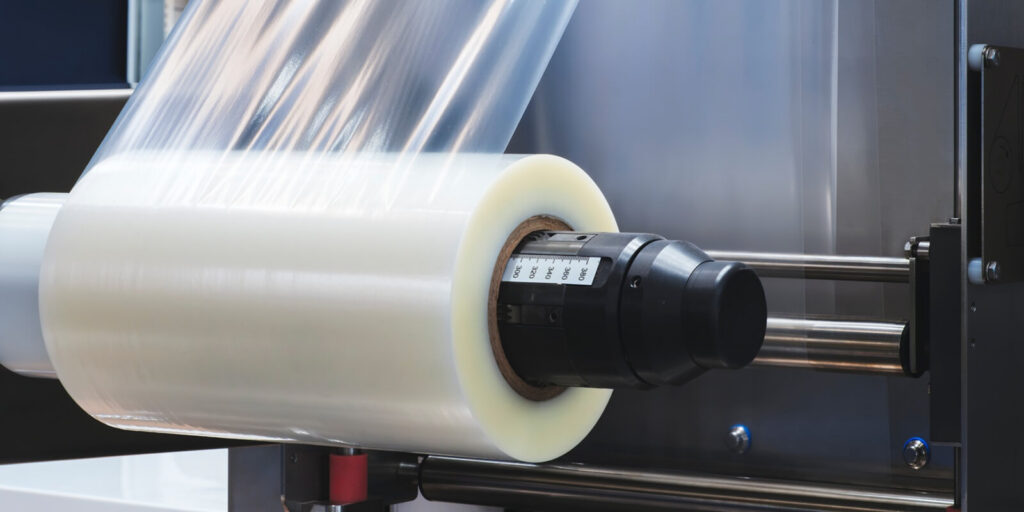
Flexible film recycling doesn’t end once you place film in a collection bin. Accepted material is collected, sorted, cleaned, and further processed into polyethylene pellets that are then used to manufacture new products.
For that process to work, the material has to meet quality standards, and end markets have to exist for the recycled output. Today, recycled flexible film is commonly used to produce:
- Lumber and decking
- Stormwater management systems
- Construction materials
- Other durable goods
Those applications give qualifying plastic film another useful purpose while keeping it within a recycling system built specifically for flexible materials.

Choosing the Right Recycling Path
Flexible film recycling works best when the material enters the correct recycling stream from the beginning. Alternative collection systems, including store drop-off, municipal drop-off, mail-in, and subscription programs, exist because traditional curbside systems weren’t built to sort lightweight plastic film.
Before recycling flexible film, wipe away any residue, gather accepted items together, verify each material against the guidance, and use the Plastic Film Recycling Directory to find a participating drop-off location near you.
Taking a few small steps before recycling can help keep flexible film cleaner, better sorted, and more useful to recyclers.