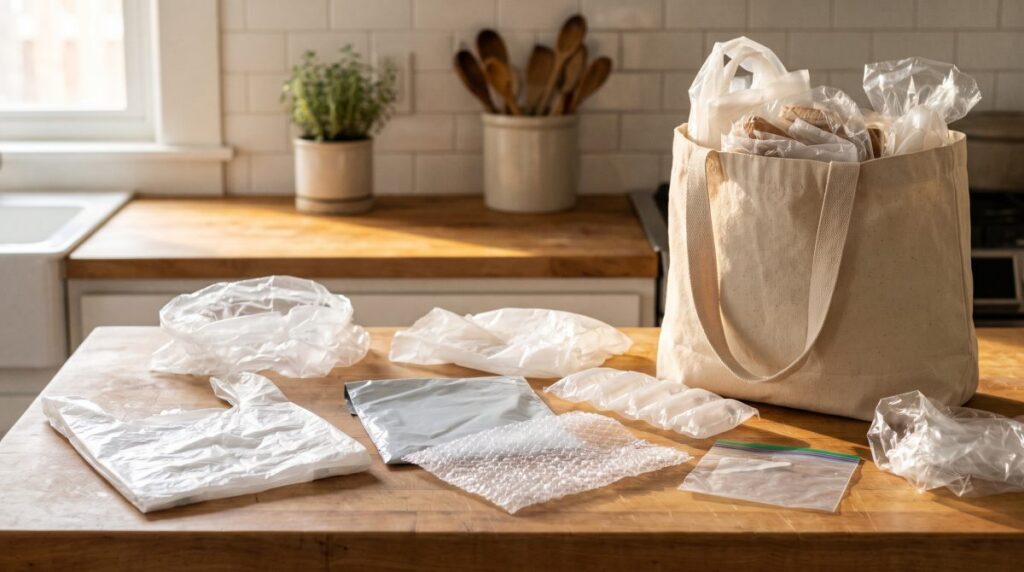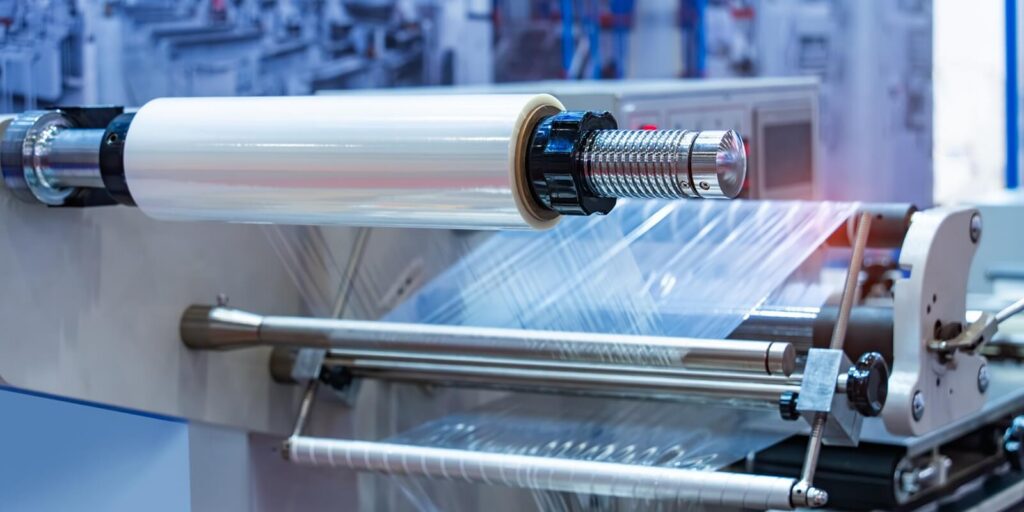
You can recycle many made from flexible film, though usually not in your curbside bin. Material recovery facilities (MRFs) that receive curbside recyclables have traditionally been built for specific packaging types. Some are geared for rigid containers like bottles and jugs. Others focus on fiber. As packaging variety grows, MRFs are adapting, but flexible film still behaves differently than most items in the curbside recycling stream.
To help flexible film reach recyclers set up to work with it, more than 20,000 drop-off, mail-in, and subscription locations across the U.S., including more than 60 retailers and municipal facilities, are aggregated through the Plastic Film Recycling Directory, run by the Flexible Film Recycling Alliance (FFRA).
Many consumers are unsure whether flexible film can be recycled or what steps to take to keep their recyclables in the right stream. Much of the confusion comes down to seven questions. Here are their answers.
1. Can Plastic Bags Go in the Curbside Bin?
Most curbside programs don’t accept plastic film bags or other flexible film. The recovery facilities curbside programs use are often set up for rigid plastics that can move along a conveyor, like bottles and jugs.
Flexible film can float away from a conveyor and wrap around rotating screens and conveyor gears. When film tangles the equipment, an operator has to clear the line by hand, which slows the facility and interrupts sorting. It can also create hazards for the workers who maintain the equipment.
That’s not a failure of your recycling service. It’s a mechanical distinction, and it’s the reason flexible film moves through its own recycling stream.
2. Is the Stretch Test Accurate?
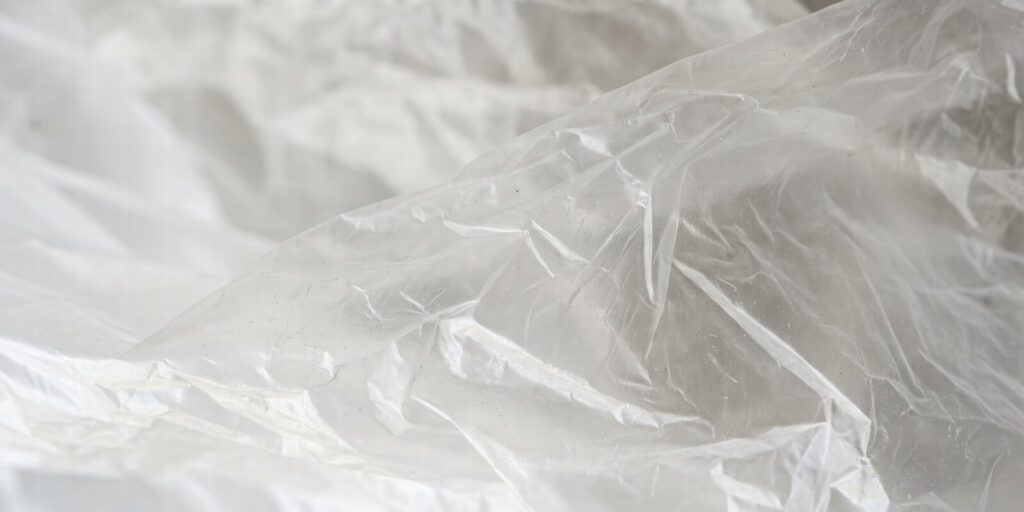
The stretch test is a helpful rule of thumb, though it isn’t perfect. For the most part, if you press your thumb into plastic film and it stretches without crinkling or puncturing, it’s likely recyclable. This works for most grocery bags, bread bags, produce bags, and case overwrap.
Cereal bags are a notable exception. They’re made of recyclable resin and qualify for film recycling, but they typically don’t stretch. If you rely on the stretch test alone, you may throw out a recyclable cereal bag.
As you become more familiar with film recycling, look for the resin code on the plastic. Films marked #2 (HDPE) or #4 (LDPE) are commonly accepted at drop-off locations. You can also look for the How2Recycle Store Drop-Off label on packaging, or scan the SmartLabel QR code on your package for product-specific guidance.
3. Is Store Drop-Off the Only Way to Recycle Plastic Film?
Store drop-off is the most visible option, but it isn’t the only one. The Plastic Film Recycling Directory aggregates four types of alternative collection systems (ACS):
- Store drop-off at participating retailers, including major grocery, big-box, and pharmacy chains
- Municipal drop-off at city or county recycling locations that accept flexible film
- Mail-in programs that let you ship accepted film to a recycler
- Subscription services that offer paid pickup for consumers who want a regular option
The right ACS pathway depends on what’s available where you live. Many households use store drop-off during their regular grocery runs, and rural households or apartment dwellers who don’t drive to a big-box store might find mail-in more practical.
4. Do Compostable and Recyclable Mean the Same Thing?
No. Compostable and recyclable are different categories with different infrastructure requirements.
Most compostable plastics are designed to break down under industrial conditions, specifically the high heat and controlled moisture that only a commercial composting facility can provide. Recyclable means there’s a processing stream that reprocesses the plastic into something new, like lumber and decking, stormwater management systems, construction materials, or other durable goods.
If the plastic film you’re looking at is labeled compostable, it doesn’t belong in a film recycling drop-off. Check whether your city has an industrial composting program instead.
5. Does Plastic Film Recycling Only Cover Bags?
Even if your local program is called “bag recycling” or has a “bag drop-off,” the recycler that handles the material likely takes many more types of flexible plastic.
| Typically accepted | Typically not accepted |
| Grocery, produce, and bread bags | Film heavily soiled with food or grease |
| Cereal bags and dry cleaner bags | Multi-layer, laminated snack bags |
| Bubble wrap and shipping air pillows | Packaging labeled compostable or biodegradable |
| Mailer bags, zip-top bags, and case wrap | Plastic film mixed with paper, foil, or fabric |
| Six-pack rings and appliance wrap | Medical film |
6. Does Film Ever Actually Get Recycled?
Yes. When clean, uncontaminated film reaches recyclers set up to work with it, often through a store drop-off program, it gets recycled.
The misconception often stems from the reality that curbside recycling wasn’t built for flexible film. Historically, fewer facilities were set up to handle it, and today many curbside recycling centers are still oriented around rigid plastics. Flexible film needs to reach a recycler equipped to work with the material, which is why it usually can’t go in the curbside bin and instead moves through an ACS pathway.
7. Can Any Plastic Film Go in the Drop-Off Bin?
Not all plastic film qualifies. Generally, plastic film labeled resin #2 (HDPE) or #4 (LDPE) is accepted at drop-off locations. Other resins often aren’t, either because they need different processing or because there isn’t enough volume in circulation to support a dedicated recycling program.
You don’t need to memorize resin codes for this. Look for the How2Recycle Store Drop-Off label on the packaging. Some packages also include a SmartLabel QR code with product-specific instructions.
Between those labels and your drop-off location’s materials list, you have what you need to recycle plastic film with confidence.
Preparing Film and Finding a Drop-Off, Mail-In, or Subscription Program
If you’re just starting to include flexible plastics in your recycling routine, use the Plastic Film Recycling brand’s Wipe, Gather, Verify protocol before your next drop-off:
- Wipe items clean of food residue, moisture, and debris.
- Gather accepted film in a dedicated bag until you’re ready for your next drop-off trip or mail-in shipment.
- Verify each item against your location’s accepted materials list.
Then use the Plastic Film Recycling Directory to find a drop-off, mail-in, or subscription location near you among the more than 20,000 aggregated locations across the U.S.