| In This Article: Flexible plastic film is often recyclable, but also often needs to enter the recycling stream differently than materials like hard plastics, metal, or cardboard. This guide breaks down eight everyday household items you can route into film recycling instead of the trash. |
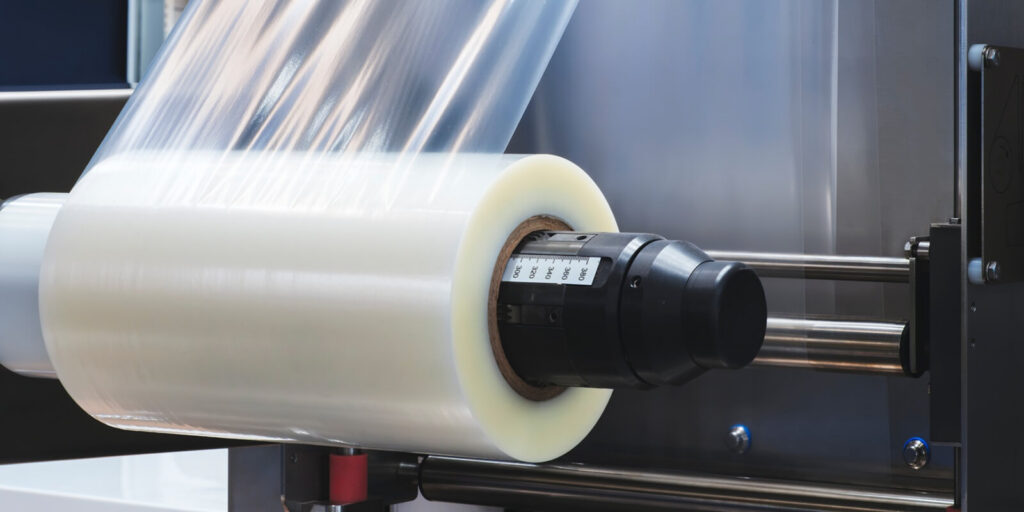
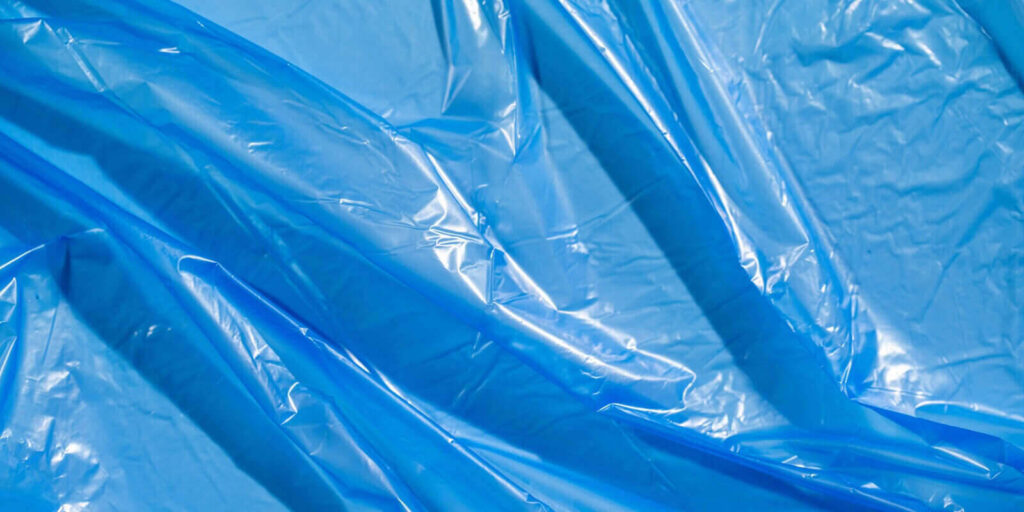
Flexible plastic film is still finding its way to a landfill even though it can be recycled. The lightweight plastic used in bags, wraps, and packaging is a common material in most homes and perhaps one of the most misunderstood when it comes to recycling.
Many curbside recycling programs can’t accept flexible film, but a growing network of store drop-off, municipality, subscription, and mail-in programs do. Many locations include major grocery, big-box, and pharmacy chains, making it convenient for their customers.
This list breaks down eight everyday items you might be tossing in the trash that can go into a flexible film recycling stream instead.
1. Grocery and Retail Bags
The plastic bags you carry home from the grocery store, pharmacy, or big-box retailer are widely accepted at store drop-off locations and through other film recycling collection programs. They’re typically made from high-density polyethylene (HDPE) and low-density polyethylene (LDPE), which are both recyclable.
Before dropping off for recycling: Make sure bags are clean, dry, and free of receipts or other debris. Bundle them together to make drop off more convenient.
2. Resealable Storage Bags
Zip-top bags used for sandwiches, snacks, and leftovers are made from the same HDPE and LDPE film as grocery bags, allowing them to also be dropped off for recycling through store drop-off.
Before dropping off for recycling: Rinse out any food residue, turn the bag inside out, and let it air-dry.
3. Bread Bags
The soft plastic sleeve your sandwich bread comes in qualifies. Bread bags are typically made from LDPE and are one of the easiest flexible films to prep, since they rarely have heavy food contamination.
Before dropping off for recycling: Shake out crumbs, remove the twist tie or clip, and confirm the bag is fully dry.
4. Cereal Box Bags
The plastic bag inside your cereal box, the one that holds the cereal, qualifies for film recycling. This applies to boxes of crackers or cookies that also come sealed in internal bags. Most of these are made from HDPE. Unlike many recyclable flexible plastics, these bags do not pass the “stretch test.” For most flexible plastics, you can stretch them without tearing them, and they don’t crinkle loudly. Cereal bags, even though they don’t typically stretch, are still recyclable.
Before dropping off for recycling: Separate the liner from the cardboard box (the box goes in your curbside bin). Shake it out and gather it with your other flexible plastics for easy recycling.
5. Frozen Food Bags
The bags holding your frozen vegetables, fruit blends, and other freezer items are often made from recyclable flexible film. They feel sturdier than a grocery bag, but the material is the same family of polyethylene plastics.
Before dropping off for recycling: Let the bag come to room temperature, rinse off any residue, and dry it thoroughly. Moisture is one of the top contaminants in film recycling, and a damp bag can compromise an entire batch.
6. Bubble Mailers and Shipping Pillows
Plastic bubble mailers (the all-plastic kind, not the paper-backed ones) and the air-filled cushion pillows stuffed into your shipped boxes are both made from recyclable polyethylene film.
Before dropping off for recycling: Remove paper labels or tape from bubble mailers. Puncture and deflate air pillows, then flatten for easy storage. Mailers with a paper exterior and bubble-wrap interior need to be separated, since only the plastic film qualifies.
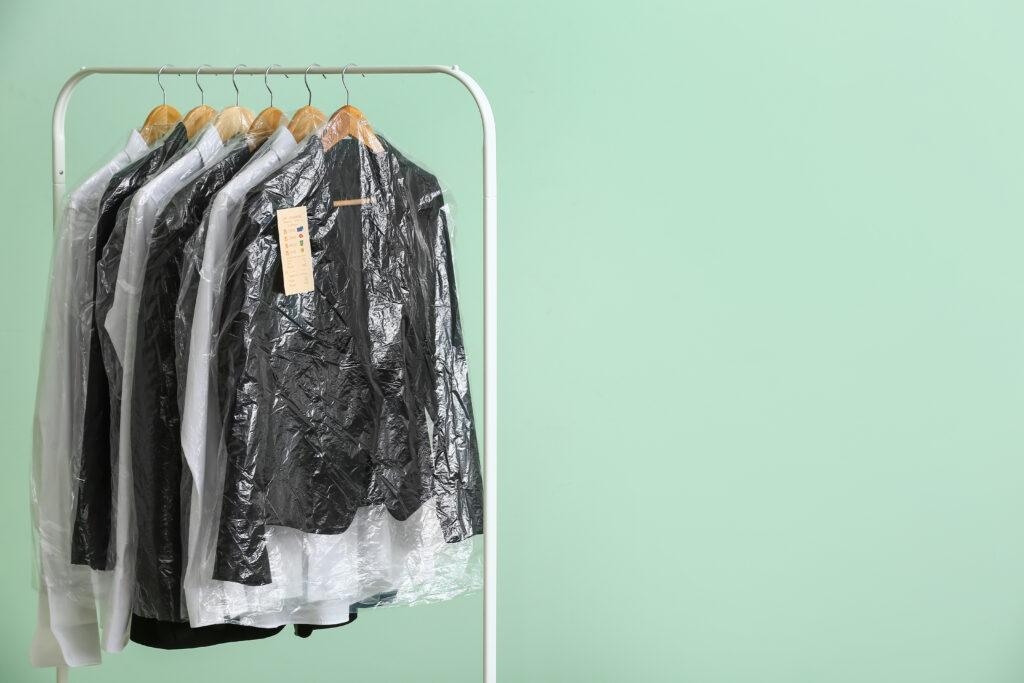
7. Dry Cleaning Bags
The thin, transparent garment bags from the dry cleaner are made from LDPE film. They’re one of the cleanest flexible plastics you’ll encounter, since they carry no food residue or moisture.
Before dropping off for recycling: Remove any stapled tags, paper receipts, or adhesive tape. Gather several together and bundle them to make them more convenient to recycle.
8. Produce and Newspaper Wraps
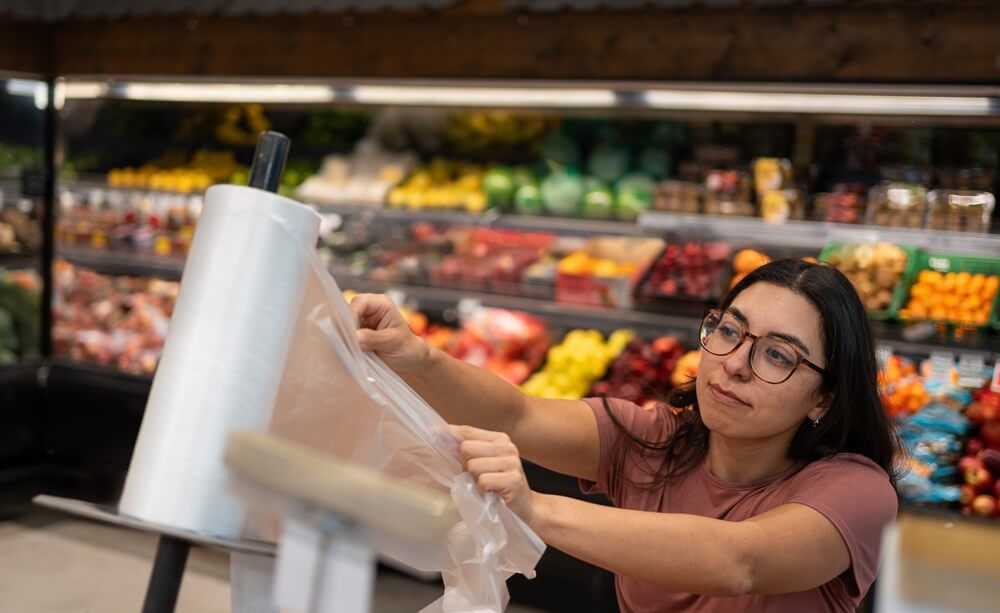
The clear plastic bags you tear off the roll in the produce section and the thin film sleeve your newspaper arrives in are often both made from polyethylene. These small items add up quickly across a year of grocery runs and morning paper deliveries.
One note, especially regarding produce bags. Some states are switching to compostable produce bags, which cannot be recycled. Instead, they are designed to break down under specific industrial conditions, primarily high heat and controlled moisture. They are not designed to break down in a backyard compost pile (most home setups don’t reach the needed temperatures).
Before dropping off for recycling: Turn produce bags inside out, rinse off any moisture or residue, and dry completely. Newspaper sleeves are usually clean and ready as-is.
| Look for This Label: Many flexible film products now carry the How2Recycle Store Drop-Off label on their packaging. It’s the consumer signal that the item belongs at a retail drop-off bin rather than your curbside cart. |
What Doesn’t Qualify
Not all flexible plastic is recyclable film. Keep these out of your collection to avoid contaminating the rest:
- Metallic-lined chip bags and candy wrappers. The shiny interior is a mixed material that can’t be processed as standard film.
- Bags with heavy food residue. If it can’t be rinsed clean, it can’t go in.
- Compostable bags. Compostable bags are designed to break down under specific industrial conditions.
- Biodegradable bags. Biodegradable bags will break down under certain conditions that may be specified on the bag or by the manufacturer.
A quick test is to stretch the film. If you can stretch it with your fingers without it tearing, it’s likely recyclable film. If it crinkles and holds its shape like a chip bag, it’s not. The exception to the stretch test are cereal bags, which generally are recyclable even though they don’t stretch easily.
Wipe, Gather, Verify
To help flexible plastics enter the recycling stream, Plastic Film Recycling recommends a three-step routine:
- Wipe items clean of food residue, moisture, and debris.
- Gather all film into a single bag for transport.
- Verify each item against the accepted list before drop-off.
That simple routine helps recyclable flexible plastics re-enter the manufacturing cycle as composite lumber and decking, stormwater management systems, and construction materials.

Start With One Item
You don’t need to overhaul your routine to make a difference. Pick the one item from this list you encounter most often, like grocery bags, bread bags, or shipping mailers. If it has food residue, wipe it clean, then gather it in one spot (like a dedicated bag in the corner of the pantry). When your bag is full, take it to a drop-off location that is convenient for you. Once that becomes habit, add another.
The Plastic Film Recycling Directory aggregates more than 20,000 verified drop-off locations across major grocery, big-box, and pharmacy chains. Most are at stores you already shop at. Find a Drop-Off Location Near You.